
Is Your Garage Door Making Your Home Less Safe? The Security Checklist
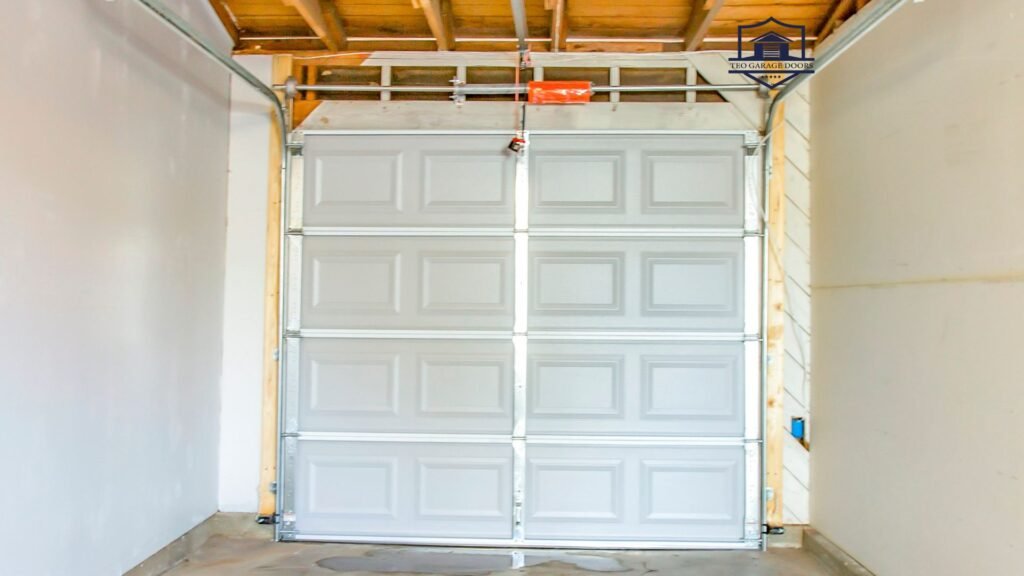
Most homeowners lock their front door every night without thinking about it. But a surprising number of those same homeowners leave their garage — one of the most common entry points for burglars — significantly less secure than they realize. An attached garage is not just a place to park a vehicle. It is a point of access to your home. A garage door that is old, improperly secured, or equipped with an outdated opener can be opened in seconds by someone who knows what they are doing. And most of the security vulnerabilities in a typical residential garage door are easy to fix once you know they exist. This guide covers the most common garage door security vulnerabilities, how to identify whether your home is affected, and what you can do about each one. Teo Garage Doors helps homeowners in Manassas Park and nearby areas improve the security and safety of their garage doors. Call 571-505-8443 for a free inspection. Is a garage door a security risk? Yes. An attached garage is one of the most common entry points used in residential break-ins. Older openers with fixed-code remotes can be cloned in seconds. The emergency release cord can be triggered from outside the door with a simple tool. And a door with worn panels or a failing lock mechanism provides little physical resistance. Understanding these vulnerabilities is the first step to addressing them. How can I make my garage door more secure? The most impactful steps are upgrading to a rolling-code opener, securing the emergency release cord against outside access, installing a deadbolt on the door connecting the garage to the home, and keeping the garage door closed and locked when not in use. A professional inspection can identify any additional vulnerabilities specific to your door and opener. Vulnerability 1 — Your Opener Uses a Fixed Code This is the most significant and most overlooked security vulnerability in older garage door systems. How to identify it: If your opener is more than 10 to 15 years old, there is a good chance it uses a fixed-code remote. A fixed-code opener transmits the same code every time you press the remote button. That code can be captured by a device called a code grabber — small, inexpensive, and widely available — and then used to open your door at any time. What it means: A burglar with a code grabber can stand near your vehicle in a parking lot, capture the code when you press your remote, and then drive to your home and open your garage door as easily as you can. What to do: Upgrade to an opener with rolling-code technology — also called Security+ or SecureCode depending on the brand. A rolling-code opener generates a new code every time the remote is used, making the previous code useless immediately after it is transmitted. No code grabber can open a rolling-code system. Teo Garage Doors installs rolling-code openers from all major brands in Manassas Park and nearby areas. Call 571-505-8443 for a recommendation and free estimate. Vulnerability 2 — The Emergency Release Can Be Triggered from Outside Every garage door opener has a red emergency release cord hanging from the trolley on the opener rail. It is designed to allow you to manually open the door during a power outage. But it is also a security vulnerability that most homeowners do not know about. How to identify it: Insert a thin tool — a straightened wire hanger, for example — through the gap at the top of the garage door. With the right angle, it is possible to hook the emergency release cord and pull it, disconnecting the door from the opener. The door can then be lifted manually from the outside. This technique — sometimes called fishing — is used by burglars who know about it and can be executed in under 60 seconds on a door that is not protected against it. What to do: There are two simple solutions. First, use a zip tie to secure the release cord to the trolley carriage in a way that still allows it to be released by hand but prevents it from being triggered by a tool inserted through the gap. Second, install a shield or blocker plate at the top of the door that reduces the gap available for tool insertion. Neither solution prevents legitimate emergency use — you can still release the cord manually from inside the garage. But both prevent the cord from being triggered from outside. If you are not sure whether your door is vulnerable to this technique, call Teo Garage Doors at 571-505-8443 for an inspection. Vulnerability 3 — The Door Between the Garage and Home Is Not Properly Secured Even if a burglar gains access to your garage, the door connecting the garage to your home is the last line of defense between the intruder and your living space. How to identify it: Look at the door connecting your garage to your home. Is it a solid-core door or a hollow-core door? A hollow-core door — the lighter type typically used for interior rooms — can be kicked in with a single forceful blow. Does it have a deadbolt, or just a standard door handle lock? A handle lock alone is not sufficient security for a door that is potentially accessible from an unsecured garage. What it means: If the door between your garage and home is hollow-core and has only a handle lock, a burglar who gains access to your garage can be inside your living space in seconds. What to do: Replace a hollow-core door with a solid-core or metal door. Install a deadbolt if there is not one already. Make a habit of keeping this door locked even when you are home — many homeowners lock the garage door but leave the interior door unlocked out of convenience. Vulnerability 4 — Your Remote Is Not Secured A garage door remote is effectively a key to your home.
Is Your Garage Door Making Your Home Less Safe? The Security Checklist Leer más »