
Garage Door Making Loud Noise? Here’s What It Means
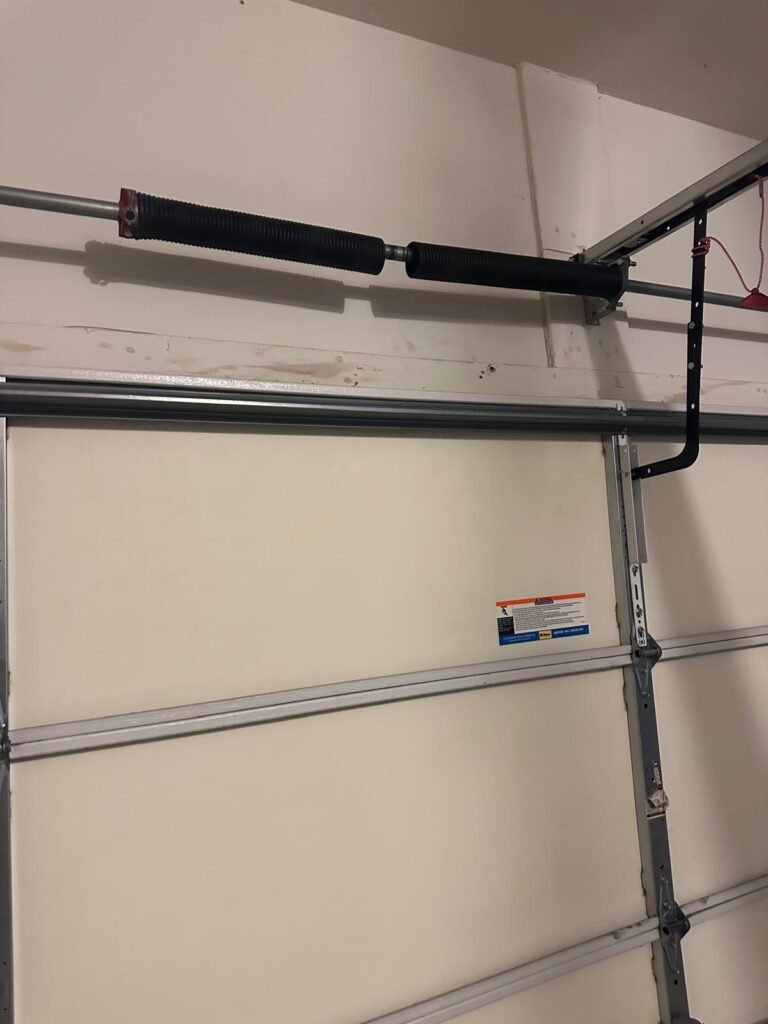
Your garage door has started making a sound it never made before. Maybe it is a grinding noise every time it opens. Maybe there is a rattling that gets worse in cold weather. Maybe you heard a loud bang and now the door barely moves. Garage door noises are not just annoying — they are your door’s way of telling you something is wrong. The type of sound usually points directly to the problem. And the sooner you identify it, the less likely it is to turn into a more expensive repair. This guide breaks down the most common garage door noises, what each one means, and what to do about it. Teo Garage Doors diagnoses and repairs garage door problems in Manassas Park and nearby areas. Call 571-505-8443 for same-day service. Why is my garage door making a loud noise? A garage door making loud noises is usually caused by worn rollers, loose hardware, lack of lubrication, a failing opener motor, or a problem with the springs or cables. The type of sound — grinding, rattling, banging, squeaking, or popping — points to different causes. If the noise appeared suddenly or is getting worse, call Teo Garage Doors at 571-505-8443 for a same-day diagnosis in Manassas Park and nearby areas. Is a noisy garage door dangerous? Some garage door noises are minor and easy to fix. Others — particularly a loud bang, a sudden grinding sound, or a sound accompanied by the door moving unevenly — can indicate a serious problem such as a broken spring or failing cable. When in doubt, stop using the door and call Teo Garage Doors at 571-505-8443. What Each Garage Door Sound Means Loud Bang or Gunshot Sound This is the most alarming sound a garage door can make — and it usually means one thing. How to identify it: A single loud bang coming from the garage, often described as sounding like a gunshot or a firecracker. The door may stop working immediately after or lift only a few inches before stopping. What it means: A torsion spring has broken. Springs are under enormous tension and when one snaps, it releases all of that stored energy at once — producing the loud bang. This is the number one cause of a garage door that suddenly stops working. What to do: Do not attempt to operate the door. Do not try to open it manually. Call Teo Garage Doors at 571-505-8443 immediately for same-day spring replacement. For more information read: Broken Garage Door Spring — Signs, Dangers and What to Do Grinding or Scraping Noise A grinding or scraping sound during operation is one of the most common noises homeowners report — and one of the most important to address quickly. How to identify it: A rough grinding or scraping sound that happens every time the door moves. The door may feel rougher or slower than usual during operation. What it means: This sound almost always points to one of three causes. Worn or damaged rollers that are no longer rolling smoothly inside the track. A bent or damaged track that the rollers are scraping against as the door moves. Or a lack of lubrication causing metal components to drag against each other. What to do: Check the rollers visually — if they look cracked, worn, or flat on one side, they need to be replaced. Check the track for any visible bends or dents. If the cause is not obvious, call Teo Garage Doors for a diagnosis. Ignoring a grinding noise allows the problem to worsen and can lead to the door coming off its tracks. Rattling or Shaking A rattling noise is usually less urgent than a grinding sound — but it still needs attention. How to identify it: A rattling or vibrating sound during operation, often accompanied by visible shaking of the door or the hardware. The noise may be more pronounced at certain points in the door’s travel. What it means: Loose hardware is the most common cause. The nuts, bolts, and screws that hold the tracks, hinges, and brackets in place can loosen over time from the vibration of thousands of door cycles. A rattling chain on a chain-drive opener is also a common source of this noise. What to do: Inspect the hardware along the tracks and door panels and tighten any loose bolts or screws. Do not over-tighten — snug is enough. If the rattling continues after tightening the hardware, or if you are not comfortable inspecting the hardware yourself, call Teo Garage Doors for a maintenance visit. Squeaking or Squealing A squeaking or squealing sound is one of the easiest garage door problems to fix — and one of the easiest to prevent. How to identify it: A high-pitched squeaking or squealing sound during operation. The sound may come from the hinges, rollers, or the opener mechanism. What it means: Metal components that lack proper lubrication. This is extremely common in our area due to seasonal temperature changes — components that are well-lubricated in summer can become dry and stiff during cold winters. What to do: Apply a garage door lubricant — not WD-40 — to the hinges, rollers, springs, and the opener rail. WD-40 is a cleaner and solvent, not a lubricant, and will dry out quickly. Use a dedicated garage door lubricant or white lithium grease. If lubrication does not resolve the squeaking, the rollers or hinges may be worn and need to be replaced. Popping or Clicking Sounds Popping and clicking sounds during operation are often overlooked but can indicate a developing problem. How to identify it: A popping, clicking, or snapping sound that happens at a specific point in the door’s travel — usually as the door transitions from the vertical to the horizontal track section. What it means: This sound is often caused by rollers that are not moving smoothly through the curve of the track, torsion spring coils that are rubbing against each other due to improper tension
Garage Door Making Loud Noise? Here’s What It Means Leer más »